
Winter driving comes with a unique set of challenges that affect your vehicle’s performance and safety. As temperatures drop, ensuring your car is prepared for the conditions becomes essential. Fluids that worked just fine in the summer can freeze, thicken, or become ineffective in colder weather. One of the best ways to prevent breakdowns and dangerous situations is by taking a thorough look at the fluids your car depends on during winter. Whether you’re commuting through snow or simply facing freezing morning starts, this winter fluid checklist will help keep your vehicle running smoothly and safely.
Engine Coolant and Antifreeze: Your First Line of Defense
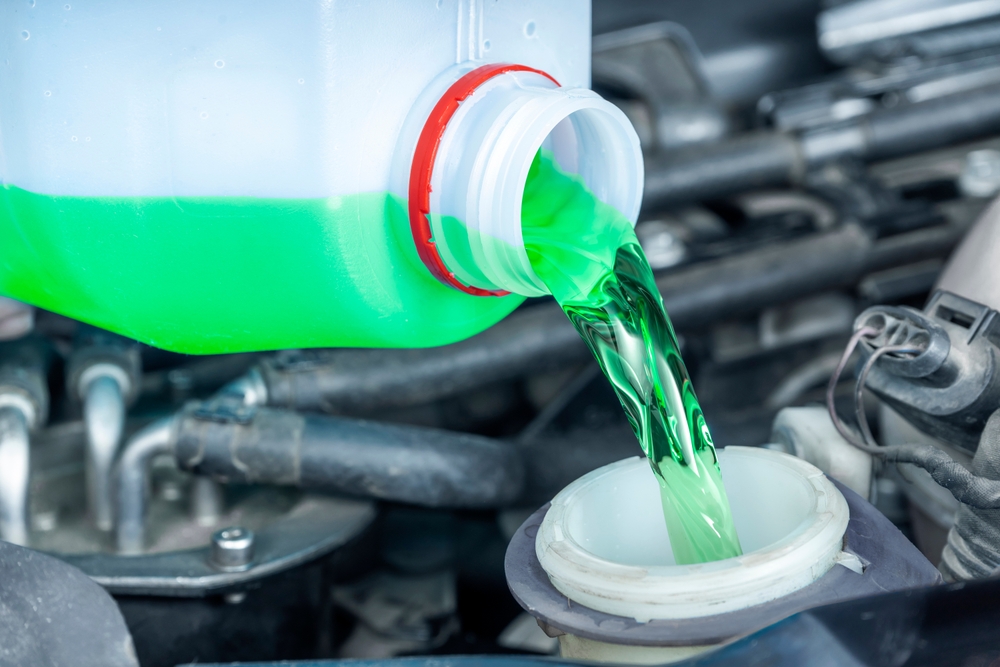
One of the most critical fluids to check as winter approaches is your engine coolant, often referred to interchangeably with antifreeze. This mixture helps regulate your engine’s temperature by absorbing heat and dissipating it through the radiator. However, its role becomes even more crucial in winter when freezing temperatures can cause untreated water-based coolants to solidify, potentially leading to engine block cracks or radiator damage.
If you’re wondering about auto maintenance, a good first step is searching for “engine coolant and antifreeze testing near me” to find local services that can evaluate the fluid’s freezing and boiling points. A technician can check the concentration of ethylene glycol or propylene glycol in the mixture, which should typically be at a 50/50 ratio with water for most vehicles. They may also look for rust, sludge, or discoloration that signals contamination or old fluid.
It’s not just about topping off the reservoir. Old coolant can lose its ability to prevent corrosion inside the engine, leading to scale buildup and clogged passages. Replacing it at manufacturer-recommended intervals is crucial for your engine’s long-term health. Before winter sets in, make sure your coolant system is flushed if it’s due and that the radiator cap and hoses are in good condition.
Windshield Washer Fluid: A Clear View Through the Storm
Standard washer fluids that work perfectly well in the summer can freeze solid in sub-zero conditions. This not only prevents fluid from spraying onto the windshield but can also cause damage to the fluid reservoir or hoses. That’s why switching to a winter-grade windshield washer fluid is a must before the first frost.
Winter washer fluids are specially formulated with methanol or ethanol to prevent freezing. They also often contain additives that help break down ice and snow buildup on the glass, making it easier to maintain visibility even during a snowstorm. If you live in an area that regularly dips below freezing, opt for a washer fluid rated for at least -20 degrees Fahrenheit.
Beyond the fluid itself, inspect the washer system to ensure it’s functioning correctly. Nozzles can become clogged with ice or debris, and pump motors can fail if they’re forced to operate with frozen fluid. If you’re not sure whether your fluid is winter-ready, consider draining the reservoir and refilling it with a guaranteed cold-weather formula. It’s a small investment that can pay off in terms of both safety and convenience.
Brake Fluid: Often Overlooked, But Vital in Cold Weather
Brake fluid might not freeze in the winter, but its performance can still degrade due to moisture contamination. Most brake fluids are hygroscopic, meaning they absorb water over time. This absorbed moisture lowers the fluid’s boiling point, increasing the risk of vapor lock or brake fade under heavy use, especially when combined with cold temperatures and salted winter roads.
In cold conditions, contaminated brake fluid can also become sluggish, reducing braking responsiveness and increasing stopping distances. This makes winter a good time to test your brake fluid’s condition and water content. Many service centers include this in their seasonal maintenance packages. Searching for local providers using terms like “engine coolant and antifreeze testing near me” can often lead to garages that offer comprehensive winter fluid checks.
If your brake fluid is dark or has not been changed in several years, a flush and replacement might be necessary. Ensuring that the master cylinder is full and that there are no leaks in the brake lines is equally important. Good brakes are essential in all seasons, but during winter, when roads can be icy or snow-covered, they are truly a lifeline.
Transmission and Power Steering Fluids: Consistency is Key
Transmission and power steering fluids are often neglected during winter prep, yet both are sensitive to temperature changes. Cold weather thickens these fluids, which can cause delays in gear shifting or increased resistance when turning the steering wheel. These effects can be especially pronounced in older vehicles or those with worn seals and gaskets.
Modern vehicles often use synthetic transmission fluids that perform well in a broad range of temperatures, but it’s still wise to check the level and appearance. Dirty or degraded fluid can become even more problematic when temperatures plummet. The same goes for power steering fluid, which should be checked for clarity and consistency. If you hear whining sounds or feel stiffness while steering, it could be a sign that the fluid needs to be changed.
Regular inspections during winter help ensure that these systems operate efficiently. If you’re already scheduling a service to check your engine coolant, consider asking the technician to examine these fluids as well. Early detection of problems can prevent costly repairs and ensure your vehicle remains responsive in challenging driving conditions.
Fuel and Oil: Optimizing Engine Performance in the Cold
Winter-grade motor oil is formulated to flow more easily in low temperatures, reducing the strain on your engine during cold starts. Most manufacturers recommend switching to a lower-viscosity oil in winter (for example, 5W-30 instead of 10W-30), especially in areas with extreme cold. This helps the oil circulate quickly through the engine and lubricate moving parts before they can suffer wear.
Your oil should be clean and at the proper level heading into the colder months. Dirty oil thickens more in cold weather and can hinder engine performance. If you’re unsure when your last oil change was, now is a good time to schedule one.
Fuel also behaves differently in cold weather. In gasoline engines, winter blends are used to improve volatility and reduce condensation in the tank, which can freeze and block fuel lines. In diesel engines, fuel gelling is a serious concern. Additives are available that prevent this phenomenon by lowering the temperature at which wax crystals form.
It’s wise to keep your gas tank at least half full during winter. This minimizes the chances of moisture condensation and provides a backup in case you get stranded. Before long trips, make sure both your oil and fuel systems are in good shape. A properly maintained engine is more reliable and efficient when the mercury drops.
Conclusion
Preparing your vehicle for winter involves more than just switching tires or checking the battery. The fluids that run through your car’s systems play an integral role in keeping it functional, responsive, and safe. From engine coolant and antifreeze to windshield washer fluid and brake fluid, each plays a distinct part in helping your vehicle withstand freezing temperatures and slippery roads.
Taking the time to have these fluids checked or replaced is not just about convenience. It’s about avoiding breakdowns, maintaining control, and ensuring peace of mind on the road. If you’re not confident doing it yourself, a quick search for “engine coolant and antifreeze testing near me” can connect you with professionals who can handle the job with precision. Winter may be unpredictable, but with a solid fluid maintenance checklist, your vehicle doesn’t have to be.
Need an Auto Repair Shop in Longmont, CO?
Welcome to A2Z Complete Car Care! Fixing your car is our number one priority. We are a family owned business who has been serving the Longmont, Colorado area for 25 years. We are ASE Master Certified, an authorized Napa Autocare Center, and affiliated with the BBB. We believe in giving quality and honest customer service; we treat our clients like family. We offer a variety of services, such as A/C, brakes, engine diagnostic, preventative maintenance, suspension work, lift kits and more! Foreign and domestic cars are welcomed. We offer 5% off final bill for our active/retired veterans, law enforcement, and rescue teams! Call us now to schedule an appointment!