
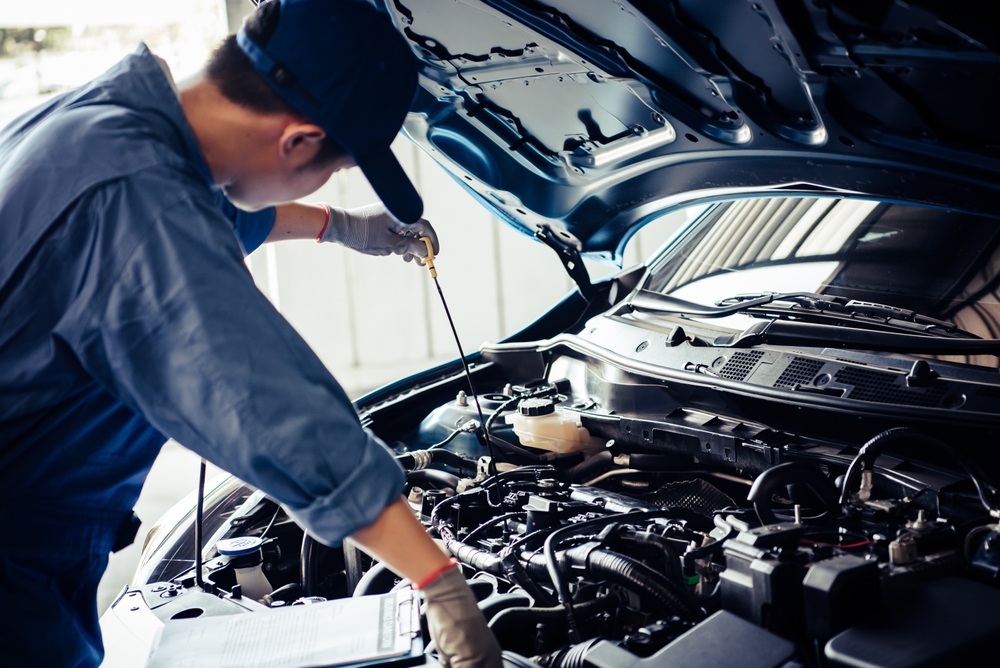
Keeping up with vehicle maintenance is one of the best ways to avoid unexpected breakdowns, expensive repairs, and safety concerns. In Longmont, CO, where drivers experience everything from winter snow and ice to hot summer days and mountain road trips, staying ahead of routine maintenance helps your vehicle perform reliably year-round.
Quick Answer
Most vehicles should be professionally serviced every 5,000 to 7,500 miles or about every six months, although the exact schedule depends on your vehicle, driving habits, and manufacturer recommendations. Preventative maintenance helps identify small issues before they become major repairs, extends the life of your vehicle, and improves reliability for everyday driving in and around Longmont.
What Local Drivers Should Know
-
Following your manufacturer’s recommended maintenance schedule is the best way to maximize your vehicle’s lifespan.
-
Colorado’s changing temperatures, winter road treatments, and mountain driving can place extra stress on engines, brakes, batteries, and tires.
-
Regular inspections help catch worn components before they leave you stranded.
-
Drivers traveling between Longmont, Boulder, Loveland, and Denver often accumulate mileage faster than they realize.
-
Preventative maintenance usually costs far less than emergency repairs caused by neglected service.
Why Preventative Maintenance Matters in Longmont
Preventative maintenance is especially valuable in Longmont because local driving conditions expose vehicles to a wide variety of challenges throughout the year. Cold winter mornings can strain batteries and fluids, while summer heat increases stress on cooling systems. Many local drivers also make frequent trips along Highway 119, Interstate 25, and US 287, adding both highway mileage and stop-and-go driving to their vehicles.
Boulder County’s seasonal weather changes, occasional hailstorms, and trips into the nearby Rocky Mountains all contribute to normal wear that routine maintenance helps address before problems develop.
At A2Z Car Care, we believe regular maintenance is one of the smartest investments drivers can make to keep their vehicles dependable and reduce the likelihood of unexpected repair bills. From oil changes to comprehensive inspections, we help local drivers stay ahead of potential issues.
Professional Field Observations
Based on our experience servicing vehicles throughout the Longmont area, many major repairs begin as minor maintenance items that were simply overlooked. Worn brake pads become damaged rotors. Aging coolant leads to overheating. Small oil leaks become significant engine repairs.
Routine inspections allow technicians to identify these issues early, often before drivers notice any symptoms.
How Often Should Different Vehicle Services Be Performed?
Routine maintenance should follow your manufacturer’s recommendations, but these general intervals provide a helpful guideline.
Oil Changes
Most modern vehicles require an oil change every 5,000 to 7,500 miles, while some synthetic oils may last longer under normal driving conditions.
Tire Rotations
Rotating tires approximately every 5,000 to 7,500 miles helps promote even tread wear and extends tire life.
Brake Inspections
Brake systems should be inspected during routine maintenance visits or any time unusual noises, vibrations, or reduced stopping performance occur.
Battery Testing
Vehicle batteries should be tested annually, especially before winter arrives in Colorado.
Air Filter Replacement
Engine and cabin air filters should be inspected regularly and replaced when dirty. Dust, pollen, and seasonal debris common along the Front Range can shorten filter life.
Fluid Inspections
Brake fluid, transmission fluid, coolant, power steering fluid, and differential fluids should all be inspected according to manufacturer recommendations.
Warning Signs Your Vehicle Needs Service
Routine maintenance should not wait until something breaks, but these warning signs indicate your vehicle should be inspected soon:
-
Dashboard warning lights remain illuminated.
-
Strange noises during acceleration or braking.
-
Vibrations while driving.
-
Fluid leaks underneath the vehicle.
-
Reduced fuel economy.
-
Difficulty starting the engine.
-
Uneven tire wear.
-
Burning smells or unusual exhaust smoke.
Ignoring these symptoms can allow relatively small problems to become much more expensive repairs.
When to Call a Professional
Routine visual checks like monitoring tire pressure, checking windshield washer fluid, and inspecting wiper blades are tasks many drivers can perform themselves.
Professional service becomes important whenever maintenance requires specialized equipment, fluid replacement, brake inspections, engine diagnostics, or electronic system evaluations. If warning lights appear or your vehicle begins driving differently, scheduling an inspection promptly can prevent additional damage.
Common Causes of Increased Vehicle Wear in Longmont
Several local conditions can accelerate normal vehicle wear.
Seasonal Temperature Swings
Colorado’s changing temperatures cause components to expand and contract, affecting batteries, belts, hoses, and seals.
Mountain Driving
Trips into the Rockies often require extended climbing and braking, placing extra demands on engines, transmissions, and brake systems.
Winter Road Conditions
Snow, ice, and road treatment products can contribute to corrosion over time if vehicles are not cleaned regularly.
Frequent Short Trips
Many Longmont residents use their vehicles for short daily commutes around town. Short trips often prevent engines from reaching optimal operating temperature, increasing moisture buildup and engine wear.
Dust and Debris
Dry Front Range conditions can increase dust exposure, affecting air filters and engine performance.
Prevention and Maintenance Tips
Preventative maintenance is easiest when it becomes part of a regular routine.
-
Follow your manufacturer’s maintenance schedule.
-
Schedule oil changes on time.
-
Check tire pressure monthly.
-
Inspect tread depth regularly.
-
Replace windshield wipers before winter.
-
Wash the undercarriage after winter driving.
-
Listen for unusual noises.
-
Address warning lights promptly.
-
Have your battery tested before cold weather arrives.
Keeping maintenance records also helps track service intervals and supports your vehicle’s resale value.
What Results Can You Expect?
Consistent preventative maintenance helps improve vehicle reliability, reduce the likelihood of major repairs, maintain fuel efficiency, and extend the life of critical components. While no maintenance program can eliminate every repair, staying current with recommended service significantly reduces the risk of unexpected breakdowns.
Common Maintenance Mistakes
Skipping Oil Changes
Consequence: Dirty oil increases engine wear and can lead to expensive engine damage.
Better approach: Follow recommended oil change intervals based on your vehicle and driving habits.
Ignoring Warning Lights
Consequence: Minor issues may develop into larger mechanical failures.
Better approach: Schedule diagnostics as soon as warning lights appear.
Waiting Until Brakes Make Noise
Consequence: Brake pads may wear completely, damaging rotors.
Better approach: Include brake inspections during routine maintenance.
Forgetting Tire Rotations
Consequence: Uneven wear shortens tire life and affects handling.
Better approach: Rotate tires during regular oil changes whenever appropriate.
Common Local Scenario
A Longmont commuter notices their vehicle seems slightly less responsive during the drive to Boulder but continues driving for several months. During a routine maintenance visit, technicians discover worn brake pads, aging coolant, and tires nearing replacement. Addressing these items during scheduled maintenance costs far less than waiting until a brake failure or overheating incident occurs.
Related Service Solutions
Preventative maintenance often includes:
-
Oil changes
-
Brake inspections
-
Tire rotations
-
Wheel alignments
-
Battery testing
-
Cooling system inspections
-
Fluid exchanges
-
Belt and hose inspections
-
Engine diagnostics
-
Manufacturer scheduled maintenance
Comparing Your Options
| Option | Advantages | Limitations |
|---|---|---|
| DIY Basic Checks | Helps identify obvious concerns early | Cannot replace professional inspections |
| Routine Professional Maintenance | Detects hidden issues before they worsen | Requires scheduled appointments |
| Waiting Until Something Breaks | Delays maintenance costs temporarily | Often leads to higher repair expenses and unexpected breakdowns |
Service Areas
We proudly help drivers throughout Longmont as well as nearby communities including Firestone, Frederick, Mead, Niwot, Boulder, Lyons, and other surrounding areas across Boulder County.
The Cost of Ignoring Preventative Maintenance
Delaying routine maintenance often increases repair costs over time. Small fluid leaks become major repairs, worn brake pads damage rotors, neglected cooling systems overheat, and overdue oil changes accelerate engine wear. Staying current with preventative maintenance helps reduce these risks while keeping your vehicle dependable throughout the year.
Frequently Asked Questions
How often should I service my vehicle in Longmont?
Most vehicles benefit from professional service every 5,000 to 7,500 miles or about every six months. Following your manufacturer’s maintenance schedule remains the best recommendation, especially with Colorado’s changing weather conditions.
Does mountain driving affect maintenance schedules?
Yes. Frequent driving through the Rocky Mountains places additional stress on brakes, transmissions, engines, and cooling systems. Vehicles used for mountain travel may benefit from more frequent inspections.
Why is battery testing important before winter in Boulder County?
Cold temperatures reduce battery performance. Annual battery testing helps identify weak batteries before freezing weather increases the chance of a no-start situation.
Can I wait until my check engine light comes on?
No. Preventative maintenance is designed to identify problems before warning lights appear. Waiting for dashboard warnings may allow additional damage to occur.
How often should tires be rotated around Longmont?
Most vehicles should have tires rotated every 5,000 to 7,500 miles. Regular rotation promotes even tread wear and extends tire life on local roads and highways.
What fluids should be checked during routine maintenance?
Professional maintenance typically includes inspections of engine oil, coolant, brake fluid, transmission fluid, power steering fluid, and other manufacturer-recommended fluids.
Does Colorado weather increase vehicle wear?
Yes. Seasonal temperature changes, winter road treatments, summer heat, and mountain driving all contribute to normal wear that routine maintenance helps manage.
Is preventative maintenance really worth the cost?
Yes. Preventative maintenance is generally much less expensive than repairing major mechanical failures caused by neglected service. Regular inspections also improve reliability and help extend the life of your vehicle.
Keep Your Vehicle Ready for Every Colorado Drive
Routine maintenance helps your vehicle stay reliable whether you’re commuting through Longmont, heading into Boulder, or planning a weekend in the mountains. Regular service allows small concerns to be addressed before they become costly repairs, giving you greater confidence every time you get behind the wheel.
Stay Ahead of Repairs With Preventative Maintenance
Our team is here to help keep your vehicle running safely and reliably with professional maintenance tailored to your driving habits and manufacturer recommendations.